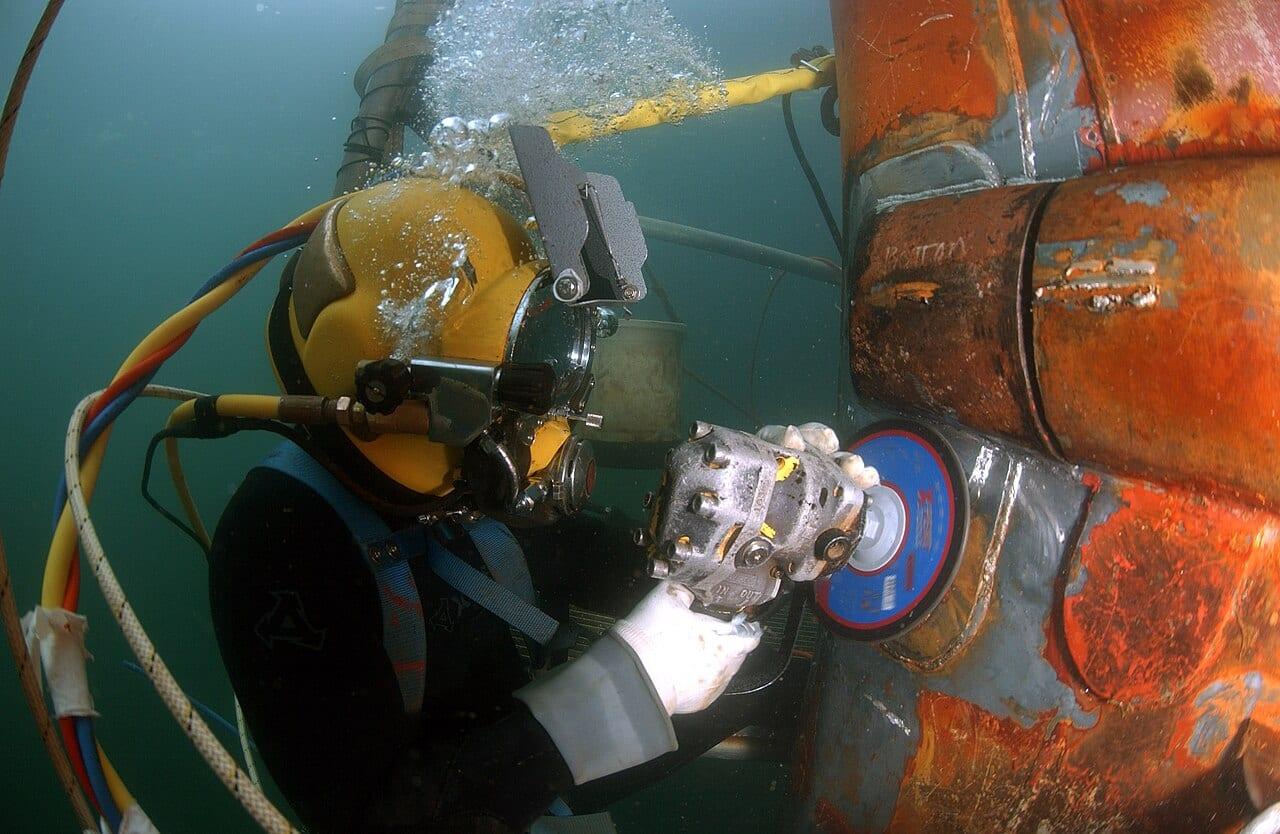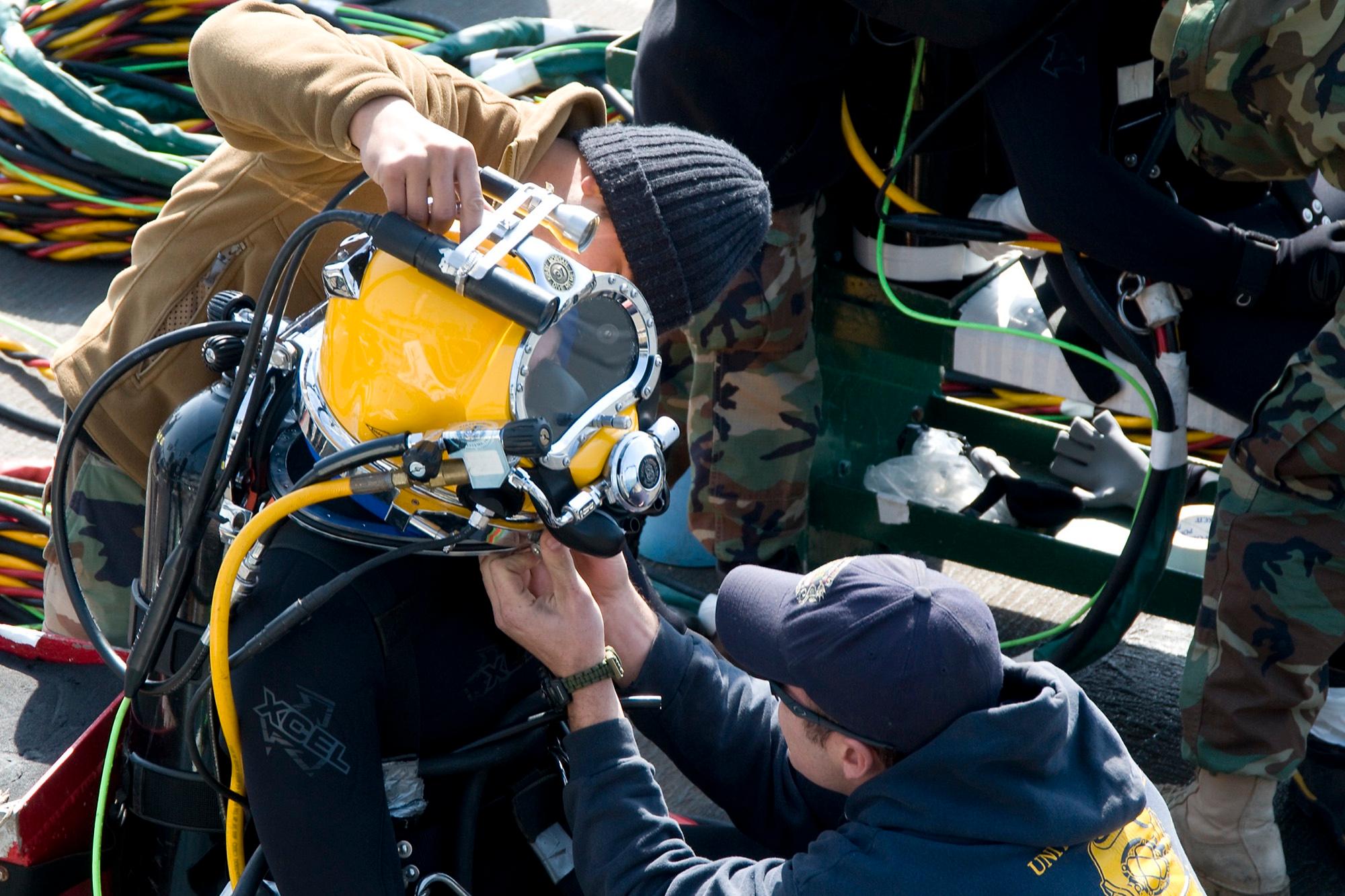
You can employ the diver, buy a limited service from a registered diving contractor, or hire in labour when the conditions are met. Permanent employment is the main rule. Hiring from a temporary work agency is only allowed from approved agencies and to the same extent as the law allows certain temporary employment, for example to cover for an absent employee. A diver with a sole proprietorship cannot hire themselves out.
Employment: permanent or temporary
The main rule in section 14-9 of arbeidsmiljøloven (the Working Environment Act) is that employees must be employed permanently. Temporary employment is allowed when the work is temporary in nature, or to cover for an absent employee, among other grounds.
Project work can justify temporary employment if it is time-limited and not part of your regular tasks. If you have many similar projects one after another, the need may not be temporary. After more than three continuous years, the employee is regarded as permanent.
Buying a service: you buy a result
When you buy a service, also called a contract or a contract for services, the rules on hiring in do not apply. Typically the work is specific and limited, and the supplier uses its own people and its own equipment and is responsible for planning and completion.
For diving, the supplier must be in the register kept by Arbeidstilsynet (the Norwegian Labour Inspection Authority). See what to check when buying diving services.
How do we tell buying a service from hiring in?
What decides is how the work is actually done, not what the contract is called. Under section 14-12 (4), particular weight is given to whether the client directs the work and is responsible for the result. Other factors are:
- whether it is mainly labour that is supplied
- whether the work takes place in close connection with your business
- whether it covers a lasting need for labour
- whether the work is within your core or main activity
You probably have hired-in labour if in practice you get extra hands on your own team, under your own diving supervisor.
Hiring from a temporary work agency
Temporary work agencies must be approved by Arbeidstilsynet. It is illegal to hire from an agency without approval, so check that it is listed with the status «lovlig – godkjent» (legal – approved). The approval must be renewed every year.
Hiring in is allowed to the same extent as temporary employment under section 14-9 (2) letters b to e. Letter a, work of a temporary nature, is not included. In practice, covering for an absent employee is therefore the relevant ground, for example during illness. Businesses with a collective agreement with a trade union that has nomination rights (innstillingsrett) can also make a written agreement with the employee representatives on time-limited hiring. After more than three years of continuous hiring, the hired worker has the right to permanent employment.
Hiring from temporary work agencies for building work on construction sites in Oslo, Akershus, Østfold, Buskerud and Vestfold is banned. The regulation does not mention quays or the sea specifically, so assess this case by case for construction diving in these areas.
Can one diving firm borrow divers from another?
Yes, section 14-13 allows hiring from businesses that do not hire out labour as a trade, when the diver is permanently employed by the lender. The conditions include:
- The hiring out does not cover more than 50 per cent of the lender's permanent employees.
- The work is within the same fields as the lender's main activity.
- The hiring has been discussed with the employee representatives in advance.
When hiring more than 10 per cent of the hirer's employees, and at least three people, or for more than one year, a written agreement with the employee representatives is required.
What about divers with a sole proprietorship?
Buying services from a sole proprietorship is not regarded as hiring in, but an owner cannot hire themselves out either. So you must buy a genuinely self-employed job. The business must be in the register and follow all the diving regulations.
Arbeidstilsynet writes that the main rule in diving operations is employment, and the checklist for buyers asks whether it is documented that those taking part are employed. Under section 1-8 of the Working Environment Act, the client must show it is more likely than not that the relationship is self-employed. If the person is joining your team, you should therefore choose employment.
What happens if we choose wrong?
In unlawful hiring, a court can, at the worker's request, rule that the worker is permanently employed by the hirer, and the worker can claim compensation. Arbeidstilsynet can also issue an order if a contract for services does not match reality.
Frequently asked questions
Can we hire in a diver with a sole proprietorship?
No. An owner who is the only employee cannot hire themselves out. You can buy a genuinely self-employed job from a registered business, or employ the diver.
Can we hire in divers to cover for illness?
Yes, covering for an absent employee is a lawful ground for hiring from an approved temporary work agency. Hiring from another business may also be possible under section 14-13 of the Working Environment Act.
Can we bring in divers from a temporary work agency for a temporary project?
Work of a temporary nature is not in itself a ground for hiring from a temporary work agency. Consider temporary employment instead, or buying a service from a registered diving contractor.
Sources (in Norwegian)
- Lovdata: Arbeidsmiljøloven
- Arbeidstilsynet: Innleie av arbeidskraft
- Arbeidstilsynet: Innleie fra bemanningsforetak
- Arbeidstilsynet: Godkjente bemanningsforetak
- Arbeidstilsynet: Midlertidig ansettelse
- Lovdata: Forskrift om innleie fra bemanningsforetak
- Regjeringen: Veileder om innleie av arbeidskraft
- Arbeidstilsynet: Regelverket for dykking
- Arbeidstilsynet: Kjøp av dykketjenester
This article is general guidance, not legal advice. The rules and rates can change, so check the current requirements with Arbeidstilsynet (the Norwegian Labour Inspection Authority), Nav, Skatteetaten (the Norwegian Tax Administration) and on Lovdata, where Norwegian law is published.