The main rule is that the diver is employed by the diving contractor. You can run your own business and deliver diving jobs, but the business must then be registered with Arbeidstilsynet (the Norwegian Labour Inspection Authority) and follow all the diving regulations. You cannot hire yourself out to other businesses.
Why is employment the main rule?
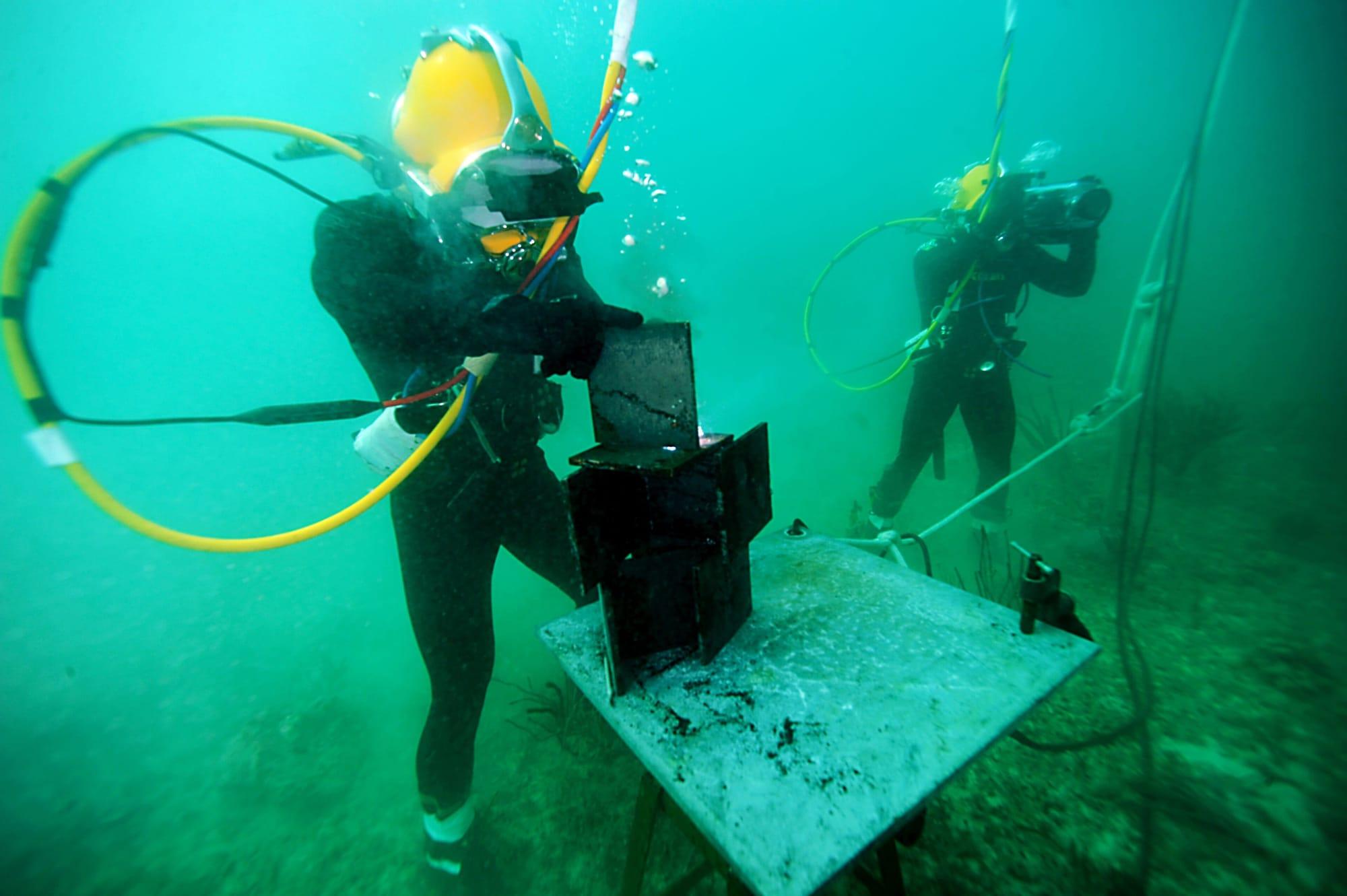
Arbeidstilsynet writes that in diving operations there is, «as a clear main rule», an employer-employee relationship between the diving contractor and the diver. Divers work in a team with fixed roles under a diving supervisor, and that is rarely compatible with being self-employed.
What counts is how the work is actually done, not what you call the agreement. If the job is set up as a contract for services that does not match reality, Arbeidstilsynet can look past the label and issue an order.
Section 1-8 of arbeidsmiljøloven (the Working Environment Act) points the same way. You are presumed to be an employee unless the client shows it is more likely than not that you are self-employed.
What marks a genuine self-employed job?
Arbeidstilsynet describes a purchase of services by these typical features:
- The work is specific and limited, for example a project.
- The contractor uses its own employees and its own equipment.
- The contractor is responsible for both planning and completion.
On the other hand, it points to employment if you make your labour available on an ongoing basis, and someone else directs, manages and controls your work.
Why can I not hire myself out?
Arbeidstilsynet answers no to this: if you have a sole proprietorship, or another business where you as the owner are the only employee, you cannot hire yourself out to other businesses. Such businesses cannot be approved for hiring out labour either.
You can agree on a purchase of services, but that is not the same as hiring out labour. The agreement must match how the work is actually done.
What must be in place if I run my own business?
Sole proprietorships that take part in diving operations must follow the diving regulations in full, just like a diving contractor. Among other things, the business must be in Arbeidstilsynet's register.
What you need to sort out in practice, from registration and work instructions to occupational injury cover, VAT and invoicing, is in Your own business as a commercial diver.
What to settle before you say yes
Arbeidstilsynet's pages on diving do not deal with freelance divers specifically, so each job must be assessed on its own facts. These questions are a good starting point:
- Who directs the work, and who is responsible for the result?
- Are you delivering a limited job, or are you just extra labour on a team?
- Who owns the equipment?
- Is your business in Arbeidstilsynet's register?
- Who has insured you if there is an accident?
If the answers suggest that you are in practice part of someone else's team, it is safer for both sides that you are employed, for example as a temporary replacement or for a limited project. Then the protection of the Working Environment Act applies, and the employer carries the responsibility that comes with it.
Frequently asked questions
Can I take diving jobs through a sole proprietorship?
Yes, but the business must be registered with Arbeidstilsynet and follow all the diving regulations. The job must also genuinely be self-employed work. The main rule in diving operations is that the diver is employed.
Does it help to write a contract for services?
Only if the contract matches reality. How the work is actually done decides whether you are an employee or a contractor.
Am I protected by the Working Environment Act as a contractor?
As a rule, no, if you are genuinely self-employed. As a sole proprietorship in a diving operation, you must still follow the diving regulations.
Sources (in Norwegian)
- Arbeidstilsynet: Regelverket for dykking
- Arbeidstilsynet: Register over dykkevirksomheter
- Arbeidstilsynet: Innleie av arbeidskraft
- Arbeidstilsynet: Innleie fra bemanningsforetak
- Lovdata: Arbeidsmiljøloven
This article is general guidance, not legal advice. The rules and rates can change, so check the current requirements with Arbeidstilsynet (the Norwegian Labour Inspection Authority), Nav, Skatteetaten (the Norwegian Tax Administration) and on Lovdata, where Norwegian law is published.